No products in the cart.

Swamp draining can lead to unintended consequences


The new U.S. President’s promise to “drain the swamp” is a euphemism for clearing out the layers of federal bureaucracy found in Washington, D.C. Given that the city itself was built in a fairly swampy geographic region, where city developers faced the challenge of eradicating mosquitoes from the moisture-laden land in the region, many see the metaphor as appropriate. Unfortunately, some good ideas may create more unexpected problems; for instance, the draining of water around Washington resulted in periodic flash flooding, which still plagues the city today.
Unintended consequences can be the result of ignorance, errors in analysis, immediate interests overriding long-term interests, or fear of some consequence that drives us to find solutions before the problem occurs.
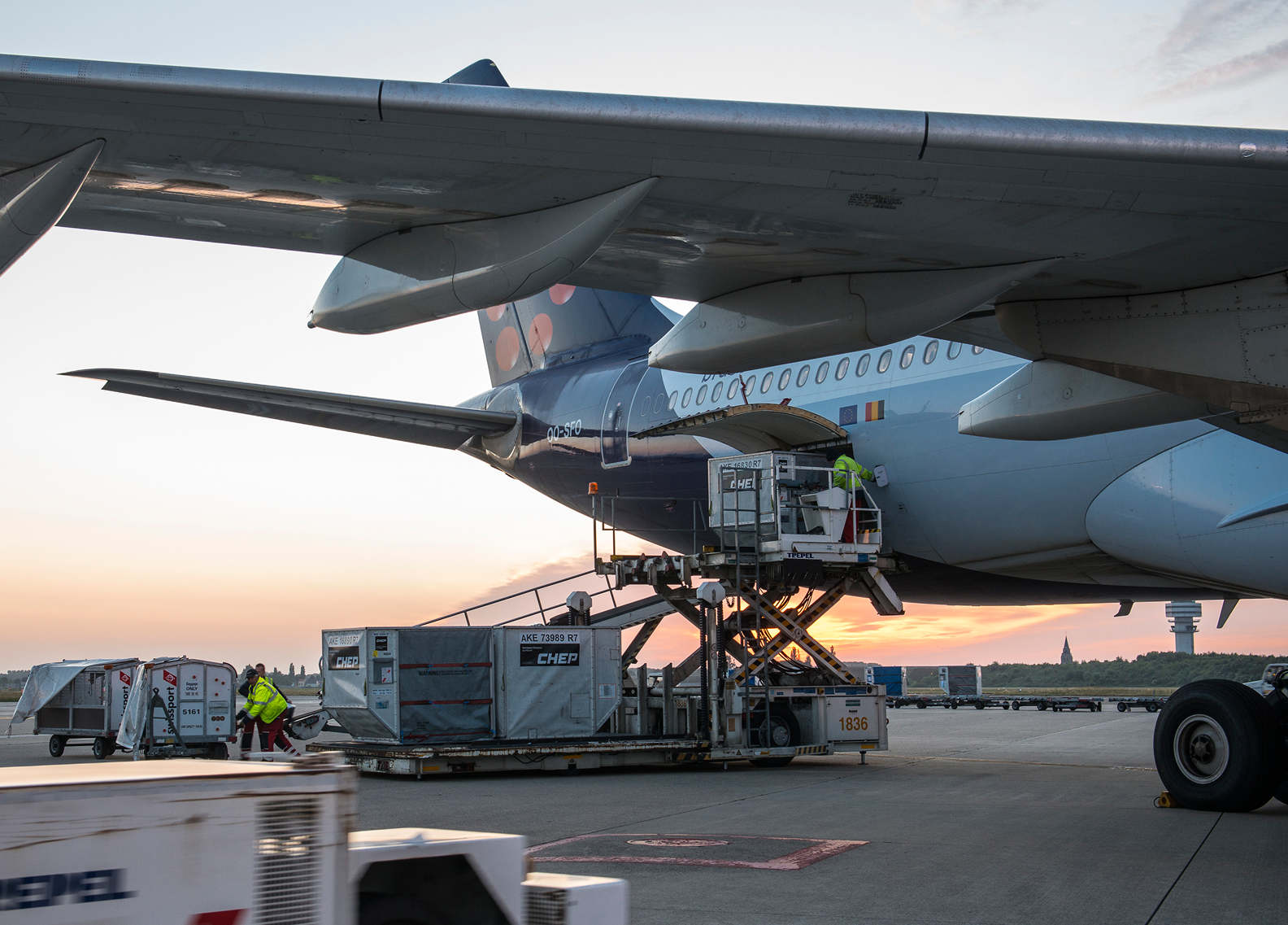
President Trump’s recent withdrawal from the Trans-Pacific Partnership (TPP) and his proposal to impose high import taxes on our trading partners, including Mexico, may seem, at first, like attempts to preserve American markets and jobs. Unfortunately, each fails to consider the realities of today’s trading challenges, while placing our country in the path of unintended consequences, including a stagnating American economy, limited buying options, lower-quality products and higher unemployment. There is more at stake here than factory-floor jobs. Many transportation positions at ocean carriers, forwarders, airlines, customs brokers, trucking companies and railroads will be at risk.
Our economy will be much stronger if the American people can trade across their borders. Trade increases competition, which forces us to respond with higher-quality products and lower prices. Trump’s “America First” initiative may be a good election soundbite, but it only limits our buying options while forcing us to accept inferior products.
Take the commercial aviation industry, for example. Boeing makes great planes, but its primary competitor, Airbus, does as well. Each company has been arguably compelled, by the benefits of free trade, to increase quality at competitive prices. The quality improvement has resulted in larger, more fuel-efficient aircraft, with more passenger and cargo capacity and more safety measures than ever before. Thanks to trade agreements, use components from multiple countries to build better planes. American automobile manufacturers are also producing higher-quality cars today than they once did, as a result of being forced to compete with better-made Japanese rivals.
President Trump’s call for fair trade is an essential component of any trade policy. Trade agreements only reach their full potential when they adequately address critical issues, including intellectual property rights enforcement, anti-dumping laws and regulatory complexity. China must understand that currency manipulation, theft of intellectual property and substandard working conditions are unsustainable, and will only serve to alienate its foreign trading partners in the long run.
But there is still more to it than that.
Trump blames existing trade agreements, including the North American Free Trade Agreement (NAFTA), for the U.S. trade deficit. However, we must understand that this gap is not taking money out of our pockets; in fact, because of the agreement, American consumers have benefited by getting
more products for their dollar. When the NAFTA deal started in 1993, the U.S. exported only $42 billion worth of goods to Mexico. In 2015, the U.S. exported $267 billion worth South of the Border. Many argue that it is automation, not cheaper wages, that is the chief reason that relatively few American jobs were lost to Mexico.
Many products sold in the United States have components that began in the U.S., traveled to Mexico, were combined with another product, and then shipped back to the U.S. for final assembly – sometimes with parts made in Canada. It’s often hard to say whether they are Mexican, Canadian or U.S. products. The NAFTA agreement may need modernizing to address working and environmental conditions in Mexico, but should continue without interruption.
Trading partners tend to be bound to one another for obvious economic reasons, so dispute resolution tends to be more civilized. President Trump needs to understand that trade benefits are often diffuse, not concise, and that the need for workforce training in technology is essential regardless of where our products are sold. If American manufacturers are forced to return their end-to-end process to the U.S., an uneducated workforce, ill-equipped to respond to competitive challenges, will only force them to roboticize factories. At Amazon, for instance, technology has reduced the time a human is involved in processing an order to less than 60 seconds.
The U.S. freight transportation community needs to help our new President understand the benefits of free trade. Making a difference in improving our prosperity means his beginning days should be spent reducing regulatory complexity, which will result in the intended consequence of making the U.S. stronger when its people can trade freely across borders.
Related Posts